
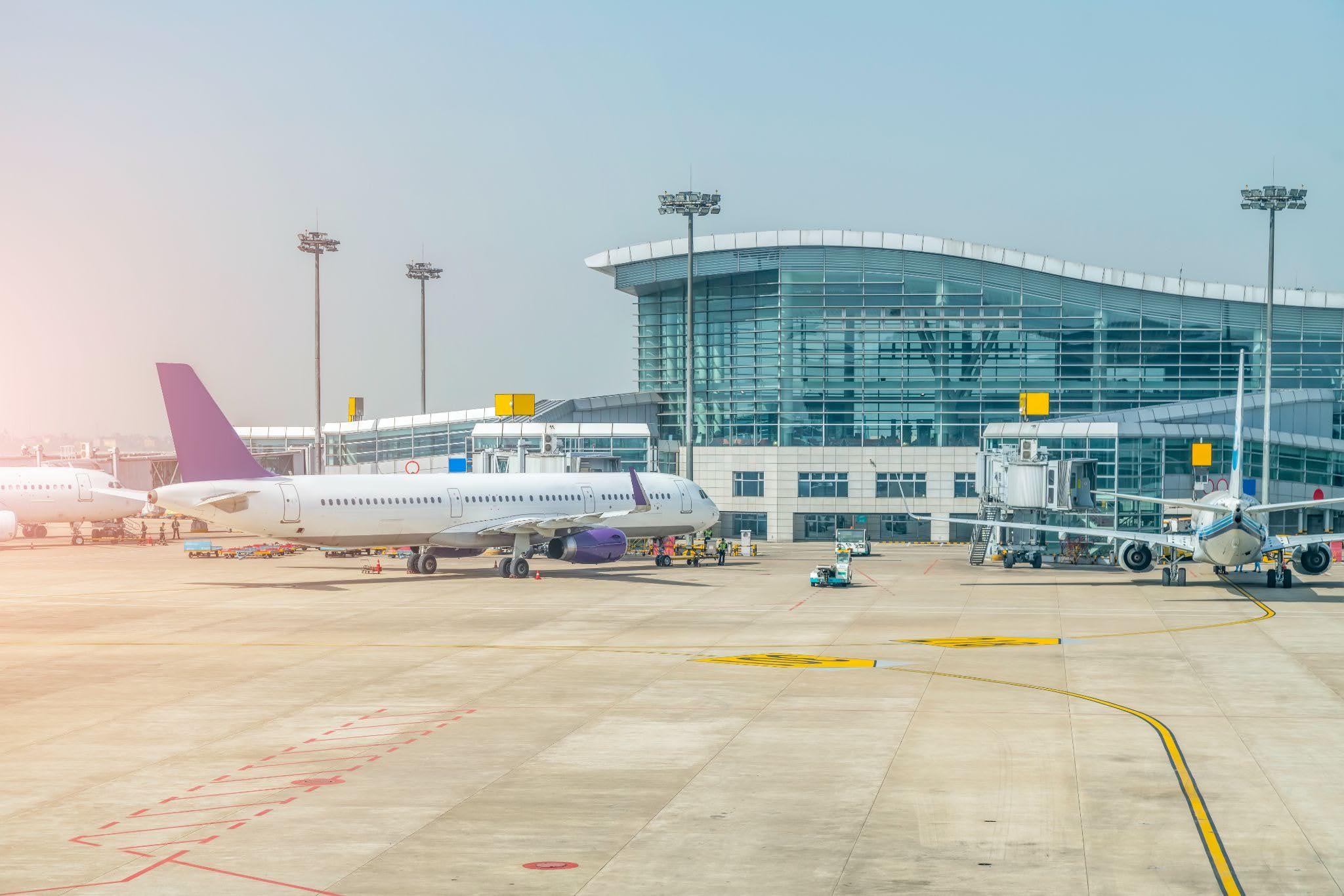
At airports, there can be significant noise due to many operations. While they are necessary for keeping air travel running smoothly, the noise can create discomfort for employees, passengers, and nearby communities.
This is why managing airport noise is necessary. Airport management should identify the causes and take proper measures to mitigate the noise. In this blog, let’s explore those causes and how to manage them.
What is Airplane Noise and How is it Managed?
First, let’s understand aircraft engine noise. It usually happens during takeoff, when the engines produce a loud noise. Landing can also create noise from aircraft movement and engine operation.
The fact is that airports cannot eliminate the noise entirely. But they can take steps to manage it. With proper arrangements and use of technology, engine efficiency can be improved, and the noise can be reduced.
Using Acoustical Jet Blast Deflectors to Manage Noise
Jetblast is created by an aircraft engine. During engine testing or other ground operations, it can create both noise and a safety hazard. This is why airports use specialized barriers and separate testing areas to manage it.
An acoustical jbd can manage jet blast while also reducing the noise during engine testing. These structures are designed to move exhaust away from sensitive areas. They can also incorporate sound-absorbing features to prevent noise from traveling.
Loud Sounds on the Ground
Another source of airport noise is ground support equipment. Different things, like baggage carts, generators, and machinery, can create significant noise, even when aircraft haven’t taken off yet. These activities are usually happening near terminals and airport boundaries.
To reduce the unnecessary noise, airport management should regularly inspect loose fittings and worn components. Moreover, investing in quieter equipment and creating designated areas can keep noisy activities away from sensitive locations.
Reducing Noise From Aircraft Auxiliary Power Units
Aircraft auxiliary power units (called APUs) provide electrical power and other functions while an aircraft is still on the ground. They are extremely useful, but these units create loud sounds when operating near gates and service stations.
The use of these units can be extremely disruptive, particularly when multiple aircraft are parked close to each other. To reduce this noise, it is important to avoid unnecessary APU operation.
Using Proper Airport Layout and Noise Barriers
The arrangement of runways, airport buildings, and other areas can influence how much noise can travel across the airport and into surrounding communities. Careful planning is important because it helps separate noisy activities from residential areas.
Physical noise barriers are also great at reducing sound transmission. However, their effectiveness depends on height, material, location, and other factors. One thing to keep in mind is that barriers cannot block every sound, particularly when noise can travel over or around them. This is why they should be designed for a specific site.
Monitoring Noise Levels and Establishing Procedures
You can never know how much noise should be mitigated without reliable information. This is why airports can use noise-monitoring equipment to measure sound levels. It also identifies changes regarding aircraft movements and other specific activities.
This information can help management identify which source produces the most noise and plan accordingly. Monitoring can also help communicate with local communities and understand whether noise-reducing methods are working or not.